



Wondering what vitamins are good for hair growth? You’re not alone. Millions search for the best vitamins for hair growth and thickness every month. The truth is, certain vitamins and minerals can significantly speed up hair growth, reduce shedding, and improve thickness — but they work even better when combined with the right external protection. In this complete 2026 guide we break down the science-backed vitamins that actually work, the best time to take them, whether you can take them all together, and why adding a high-quality silk pillowcase is one of the smartest “inside + outside” upgrades you can make for stronger, longer hair.
Content
-
The 7 Best Vitamins for Hair Growth in 2026
- How These Vitamins Support Hair Growth
- Can You Take All These Vitamins Together?
- Vitamin Comparison Table
- Why It's Better to Get Hair Growth Vitamins from Food Than Supplements
- Inside + Outside Strategy: Vitamins + Silk Pillowcase
- FAQ – Frequently Asked Questions
The 7 Best Vitamins for Hair Growth in 2026
Here are the most effective, science-supported vitamins and minerals for hair growth, ranked by strength of evidence.
How These Vitamins Support Hair Growth
Hair grows in cycles (anagen, catagen, telogen). The right vitamins help prolong the growth phase (anagen), reduce shedding, and improve follicle health.
Vitamin Comparison Table
| Vitamin / Mineral | Effectiveness for Hair Growth | Best Time to Take | Best Food Sources | Daily Recommendation |
|---|---|---|---|---|
| Biotin (Vitamin B7) | High | Morning with breakfast | Eggs, nuts, salmon, avocado | 30–100 mcg (up to 5,000 mcg for deficiency) |
| Vitamin D | Very High | Morning with a meal containing fat | Sunlight, fatty fish, fortified foods | 2,000–4,000 IU |
| Iron | Very High (especially for women) | Morning on empty stomach (with vitamin C) | Red meat, spinach, lentils | 18 mg (women), 8 mg (men) |
| Zinc | High | Evening with food | Oysters, pumpkin seeds, beef | 8–11 mg |
| Vitamin C | High (collagen support) | Anytime (split doses if high amount) | Citrus, bell peppers, strawberries | 75–90 mg |
| Omega-3 Fatty Acids | Medium-High | With any meal (best with dinner) | Salmon, walnuts, flaxseeds | 250–500 mg EPA/DHA |
| Vitamin E | Medium | With a meal containing fat | Almonds, sunflower seeds, spinach | 15 mg |
Why It's Better to Get Hair Growth Vitamins from Food Than Supplements
When it comes to vitamins for hair growth, many people reach for supplements first. While targeted supplementation can help correct deficiencies, getting your nutrients primarily from whole foods is generally more effective, safer, and beneficial for both hair growth and overall health in 2026. Here's why food sources beat supplements for long-term results.
5 Reasons Whole Foods Are Superior for Hair Growth Vitamins
- Better Absorption & Bioavailability: Nutrients in food come packaged with natural cofactors, enzymes, and fiber that enhance absorption. The vitamin C in strawberries, for example, dramatically improves iron uptake from spinach — something isolated supplements often can't match as effectively.
- Perfect Nutrient Synergy: Whole foods deliver multiple hair-supporting vitamins and minerals together. Fatty fish like salmon provide vitamin D, omega-3s, protein, and zinc in one meal — creating better results than taking separate pills.
- Lower Risk of Toxicity & Imbalances: It’s nearly impossible to overdose on vitamins from food. High-dose supplements, particularly of fat-soluble vitamins (D, E) or minerals like zinc and iron, can cause side effects or interfere with each other.
- Broader Health Benefits: Hair-growth foods also supply high-quality protein, antioxidants, and anti-inflammatory compounds that improve scalp circulation, hormone balance, and reduce oxidative stress.
- More Sustainable Long-Term: A varied, nutrient-dense diet supports consistent results without dependency on pills and is more cost-effective over time.
Pro Tip for Maximum Results: Use the “Best Food Sources” column in the comparison table above as your daily shopping list. Aim to get 70-80% of your hair growth vitamins from real food and use supplements strategically to fill specific gaps.
Of course, if blood tests show deficiencies (very common with vitamin D, iron, and zinc), high-quality supplements become a smart tool. The most effective strategy combines the best of both worlds: nutrient-rich foods + smart supplementation + external hair protection.
Can You Take All These Vitamins Together?
Yes — most people can safely take them together in the right doses. However, a few important rules apply:
-
Iron should not be taken at the same time as calcium, zinc, magnesium or matcha. Space them by at least 2 hours.
The polyphenols in matcha bind to iron, forming complexes that reduce iron absorption and bioavailability. Iron may also reduce some of matcha’s antioxidant benefits.
- Biotin, vitamin D, vitamin C, and omega-3 have excellent synergy and can be taken together.
- The easiest way is a high-quality hair-specific multivitamin formula that already balances the ratios.
- Always check with your doctor if you have any medical conditions or take medication.
Inside + Outside Strategy: Vitamins + Protection
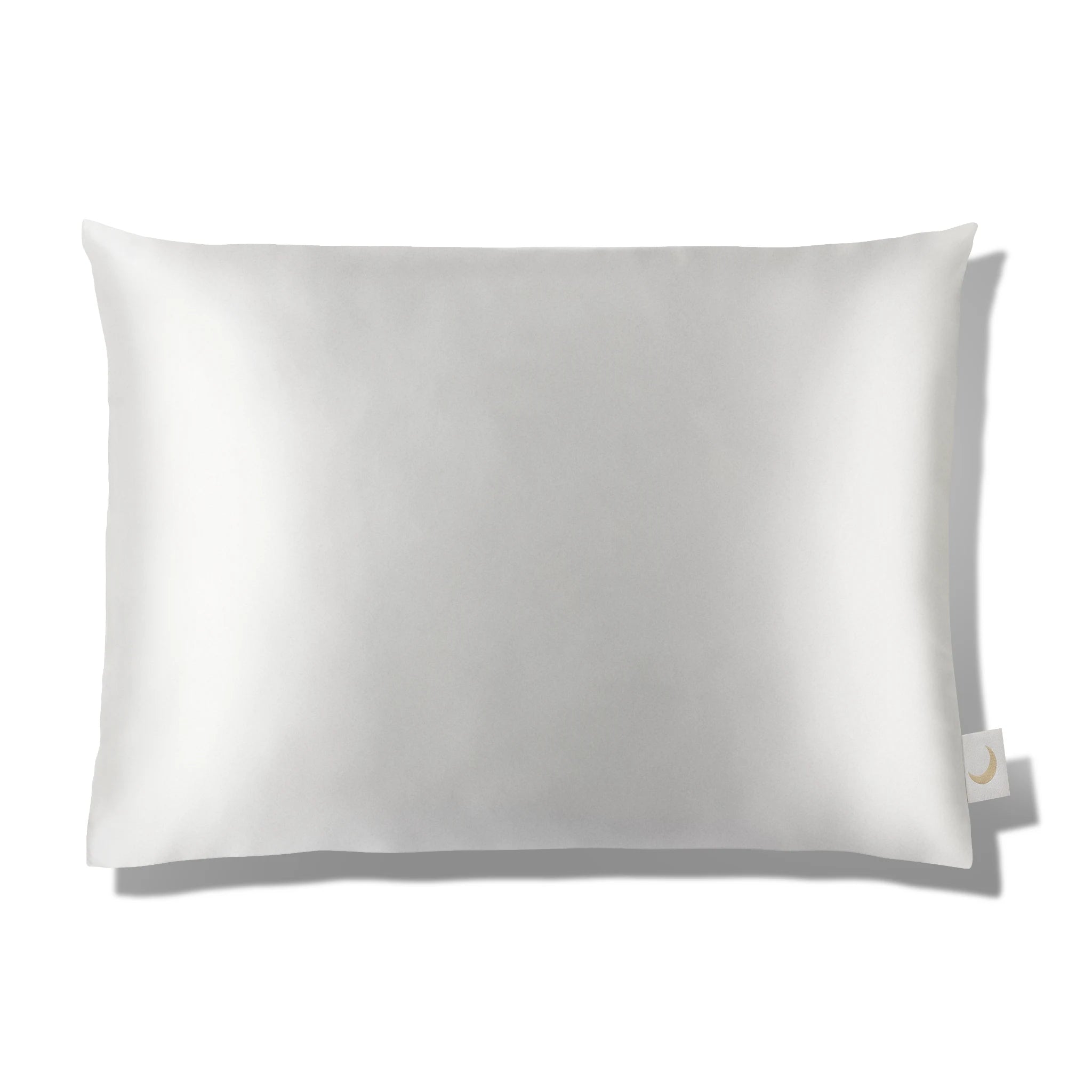
Vitamins work from the inside to feed your hair follicles. There are outside strategies to protect your hair from frizz and split ends. They include: gentle brushing, no brushing of wet hair and UV- and heat protection. While you sleep, mechanical friction from cotton or polyester pillowcases can break fragile new strands. A high-quality silk pillowcase reduces friction, helps retain moisture, and protects the hair you’re growing with the right vitamins. Many people notice less breakage and shinier hair within weeks of switching to silk.

When you experience hair loss read on in our guides: alopecia, hairloss in women and hairloss in men.
FAQ – Frequently Asked Questions
What vitamins are good for hair growth?
The strongest evidence supports biotin, vitamin D, iron, zinc, vitamin C, and omega-3 fatty acids.
Does biotin really help hair growth?
Yes — especially if you’re deficient. Most people see thicker, faster-growing hair after 3–6 months.
How long until I see results from hair growth vitamins?
Visible improvements usually appear after 3–6 months because hair grows about 1 cm per month.
Can a silk pillowcase help hair growth?
Absolutely. Silk reduces breakage and friction while you sleep, so the new hair you’re growing with vitamins stays healthier and longer.
Which vitamin deficiency causes hair loss?
Vitamin D, iron, and zinc deficiencies are the most common causes of thinning hair and slow growth.
Sources
Journal of Clinical and Aesthetic Dermatology (2025). Vitamins and minerals for hair growth: A review.
Nutrients (2024). The role of vitamin D in hair follicle biology.
Dermatology and Therapy (2026). Zinc and biotin supplementation in alopecia.
International Journal of Trichology (2025). Omega-3 fatty acids and scalp health.