



Wondering how to wash linen without damaging the fabric or making it stiff? Linen is a premium natural fiber that actually gets softer and more beautiful with every proper wash — but only if you treat it correctly. In this complete 2026 guide we explain exactly how to wash linen sheets, the best temperature, detergent choices, drying methods, and the most common mistakes to avoid so your linen stays luxurious for years.
Content
Why Linen Needs Special Care
Linen is made from flax fibers and is stronger than cotton, but it is also more delicate when wet. Proper linen care prevents shrinkage, preserves the natural softness and maintains the breathability that makes linen so comfortable for sleep.
Step-by-Step: How to Wash Linen Sheets
- Turn linen inside out to protect the surface.
- Use a gentle cycle with cold or lukewarm water (max 40 °C / 104 °F).
- Choose a mild, eco-friendly detergent without optical brighteners.
- Avoid fabric softener and bleach.
- Wash similar colors together.
- Do not overload the machine.
Best Temperature for Washing Linen
The ideal temperature for how to wash linen is 30–40 °C (86–104 °F). Hot water above 60 °C can cause excessive shrinkage and weaken the fibers. Cold or lukewarm water is gentle enough to clean while preserving the fabric’s strength and natural texture.
Detergent, Additives & What to Avoid
Use a gentle, pH-neutral or eco-friendly detergent. Avoid fabric softener completely — it leaves a coating that reduces linen’s breathability. Bleach should also be avoided as it damages the natural fibers. A small amount of white vinegar in the rinse cycle can naturally soften linen and remove detergent residue.
How to Dry Linen the Right Way
Air drying is best for linen. Hang it outside in the shade or indoors on a drying rack. If you must use a dryer, choose a low-heat or delicate setting and remove the linen while still slightly damp to prevent excessive wrinkling. Linen naturally wrinkles — this is part of its charm.
How Often Should You Wash Linen Bedding?
Wash linen sheets every 7–10 days under normal use. In hot weather or with heavy sweating you can wash them more frequently. Because linen is naturally antibacterial and breathable, it stays fresher longer than cotton. For general bed sheet washing instructions, see our complete guide: how to wash bed sheets.
Common Mistakes That Damage Linen
- Washing at too high temperatures
- Using fabric softener or bleach
- Overloading the washing machine
- Drying on high heat
- Storing linen while still damp
Silk Pillowcases & Linen Care
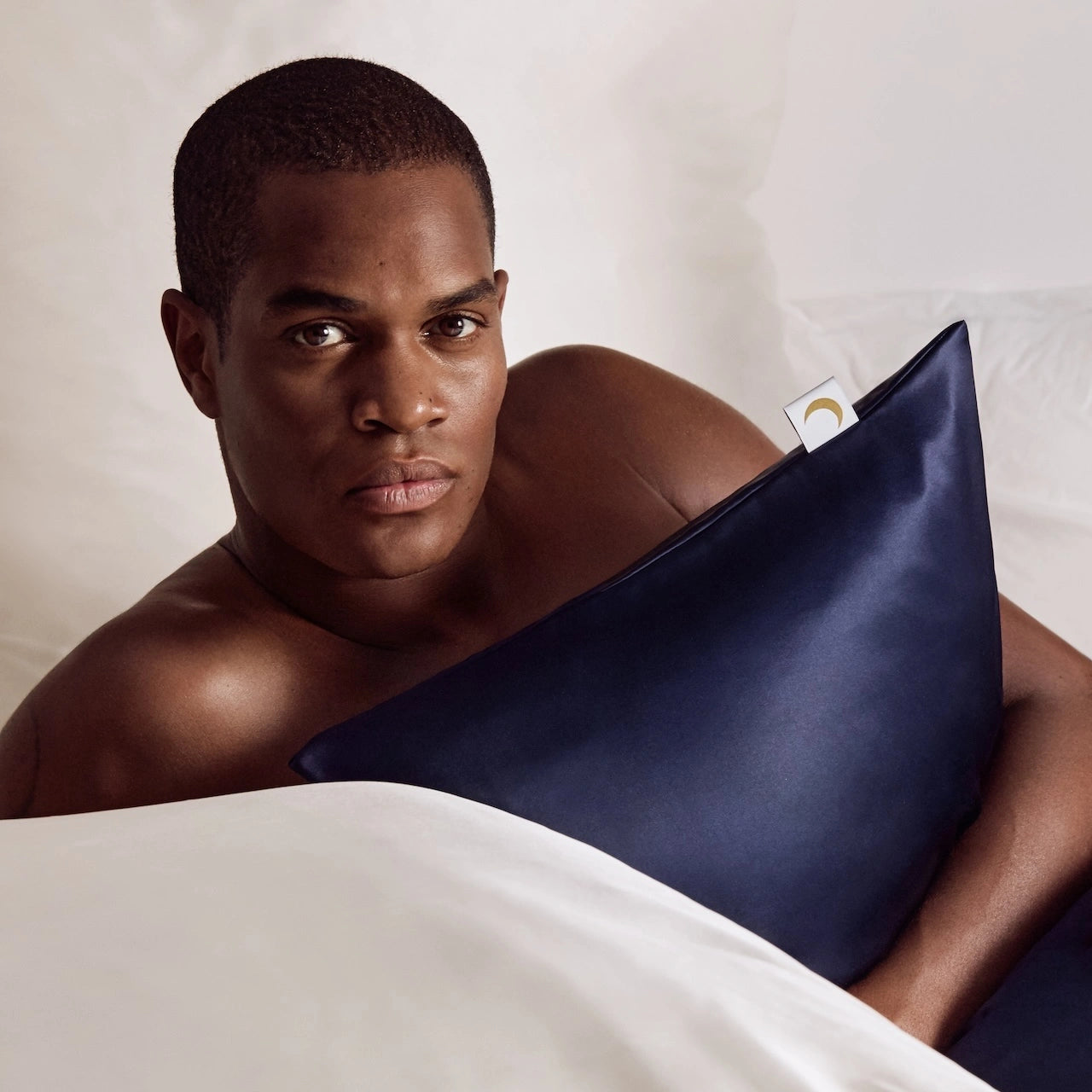
Organic mulberry silk pillowcases pair beautifully with linen bedding. Gentle silk reduces friction on your hair and skin, while crisp linen provides excellent breathability. Together they create the ultimate cool, luxurious sleep environment all year round.
For the best results, follow our dedicated care guides when washing your silk items: how to wash silk sheets and silk pillowcases.
Read on why high quality linen bedding only gets softer with time.
FAQ – How to Wash Linen
Can you wash linen sheets in the washing machine?
Yes — on a gentle cycle with cold or lukewarm water (max 40 °C).
What temperature should I wash linen at?
30–40 °C (86–104 °F) is ideal. Hotter water can cause shrinkage.
Should I use fabric softener on linen?
No. Fabric softener coats the fibers and reduces breathability. Use white vinegar instead.
How do I keep linen soft after washing?
Wash gently, air dry when possible, and avoid fabric softener. Linen naturally becomes softer with every wash.
Can linen go in the dryer?
Yes on low heat, but air drying is better. Remove while still slightly damp to minimize wrinkles.
Sources
Textile Research Journal (2025). Care instructions for flax-based linen fabrics.
International Journal of Clothing Science and Technology (2026). Washing temperature effects on linen durability.
Good Housekeeping Institute (2026). Best practices for washing natural fiber bedding.