



Wondering how to have lucid dreams or experience true lucid dreaming? You’re not alone. Lucid dreaming is one of the most fascinating states of consciousness — a skill that lets you become aware inside a dream and even control it. In this complete 2026 guide we explain exactly what lucid dreaming is, the latest science, the most effective techniques, real benefits for creativity and mental health, and how better sleep with hacks such as sleep meditation and silk pillowcases can dramatically increase your chances of lucid dreams.
Content
What Is Lucid Dreaming?
A lucid dream is a dream in which you become aware that you are dreaming. This awareness can range from simply knowing “this is a dream” to full control — flying, revisiting memories, solving problems, or exploring entire worlds. Lucid dreams almost always happen during REM sleep, the stage linked to vivid dreaming and memory processing.
The Science Behind Lucid Dreams
Lucid dreaming is a well-documented phenomenon. Research shows it occurs when parts of the brain responsible for self-awareness (prefrontal cortex) become active during REM sleep. Studies using eye-signal confirmation in sleep labs have proven that lucid dreamers are fully conscious while their bodies remain in deep sleep.
Benefits of Lucid Dreaming
Lucid dreaming offers surprising real-world advantages:
- Creativity & problem-solving – Artists, writers and inventors use lucid dreams as a creative laboratory.
- Emotional healing – You can face fears, rehearse difficult situations and reduce anxiety.
- Self-awareness – Lucid dreams strengthen the link between your conscious and subconscious mind.
- Joy and freedom – Many people simply describe lucid dreams as exhilarating and life-changing.
Proven Techniques: How to Lucid Dream
Here are the most effective, research-backed methods (2026 data):
| Technique | Success Rate | Best For | How to Do It |
|---|---|---|---|
| MILD + WBTB | 46–54 % | Beginners & advanced | Wake after 5–6 hours, repeat “Next time I’m dreaming I will remember I’m dreaming”, then go back to sleep |
| Reality Checks | 35–46 % | Daily practice | Ask “Am I dreaming?” 10–15 times a day and test reality (finger through palm, clock check) |
| Dream Journal | Boosts all methods | Everyone | Write down every dream immediately after waking |
| Wake-Back-to-Bed (WBTB) | High when combined | Night owls | Wake after 5–6 hours, stay awake 10–30 min, then return to sleep |
Lucid Dreaming and Mental Health
Lucid dreaming can help reduce nightmares, process emotions safely and build resilience. It is increasingly used as a complementary tool for anxiety, PTSD and recurrent nightmares.
Better Sleep = More Lucid Dreams
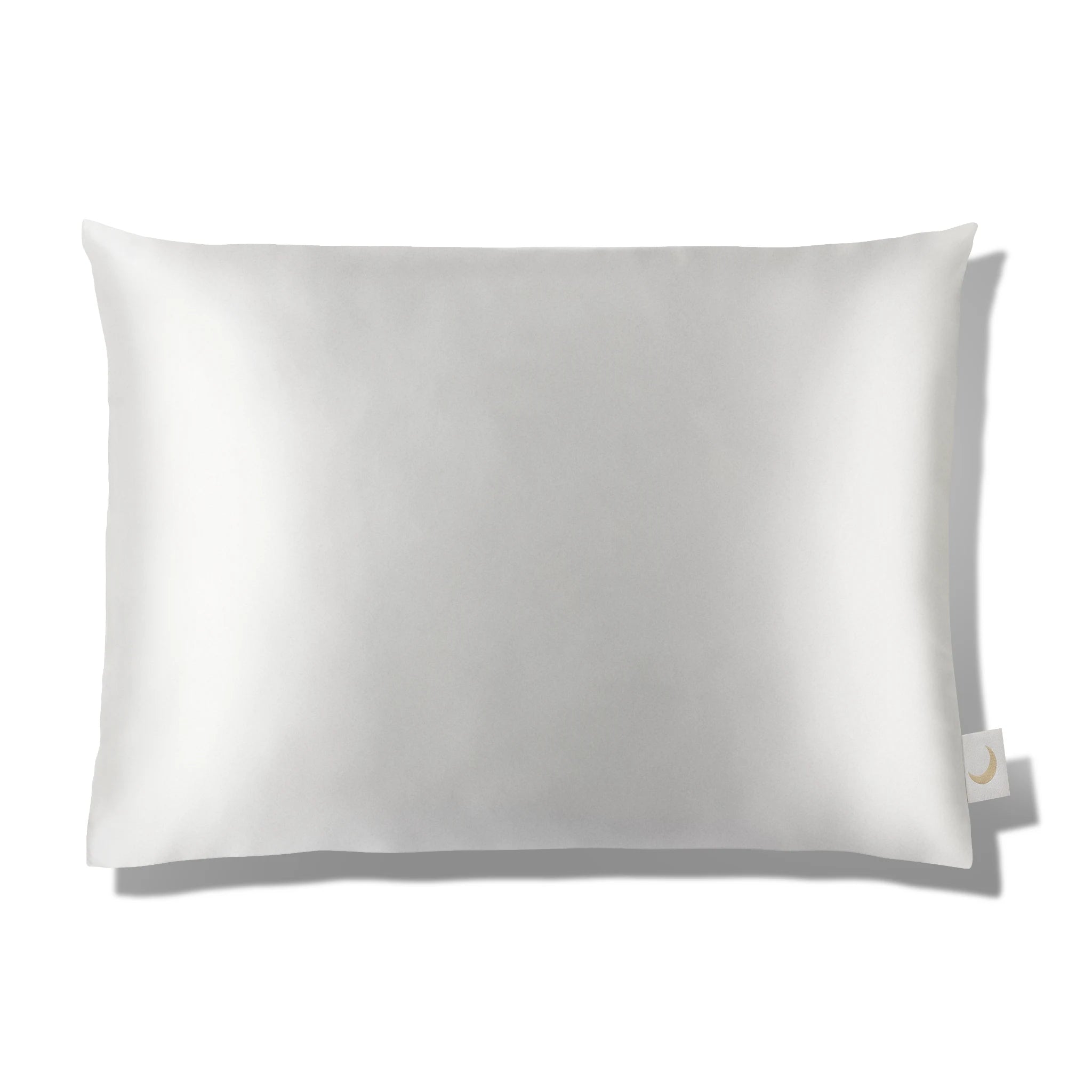
High-quality REM sleep is the foundation of lucid dreaming. Moonchild silk pillowcases help you stay cooler, reduce friction and improve sleep continuity — giving you longer, more vivid REM periods and therefore more opportunities for lucid dreams. Silk pillowcases support deeper, more lucid sleep.
FAQ – Lucid Dreaming 2026
What is the difference between lucid dreams and lucid dreaming?
“Lucid dreams” are the actual experiences; “lucid dreaming” is the practice and phenomenon of having them.
How long does it take to learn lucid dreaming?
Most people see first results within 2–4 weeks of consistent practice. Some experience lucid dreams on the very first night.
Can silk pillowcases really help with lucid dreaming?
Yes. Better temperature regulation and less skin/hair friction lead to longer, higher-quality REM sleep — the stage where lucid dreams occur.
Fun Facts
- Lucid dreaming has been scientifically validated since the 1970s using eye-signal confirmation in sleep labs.
- Approximately 55 % of people have experienced at least one lucid dream in their lifetime.
- MILD + WBTB is currently the most effective combination with up to 54 % success rate in controlled studies.