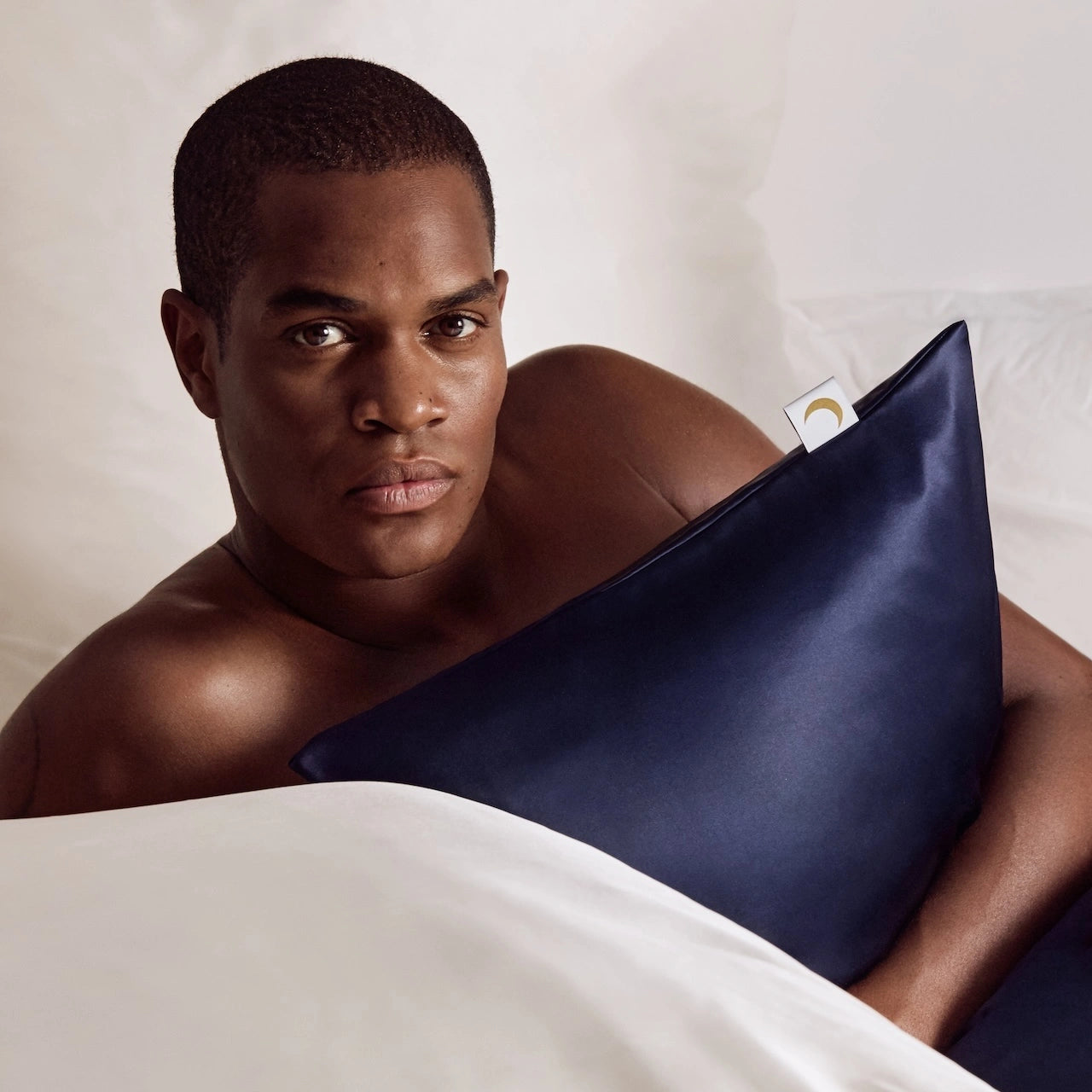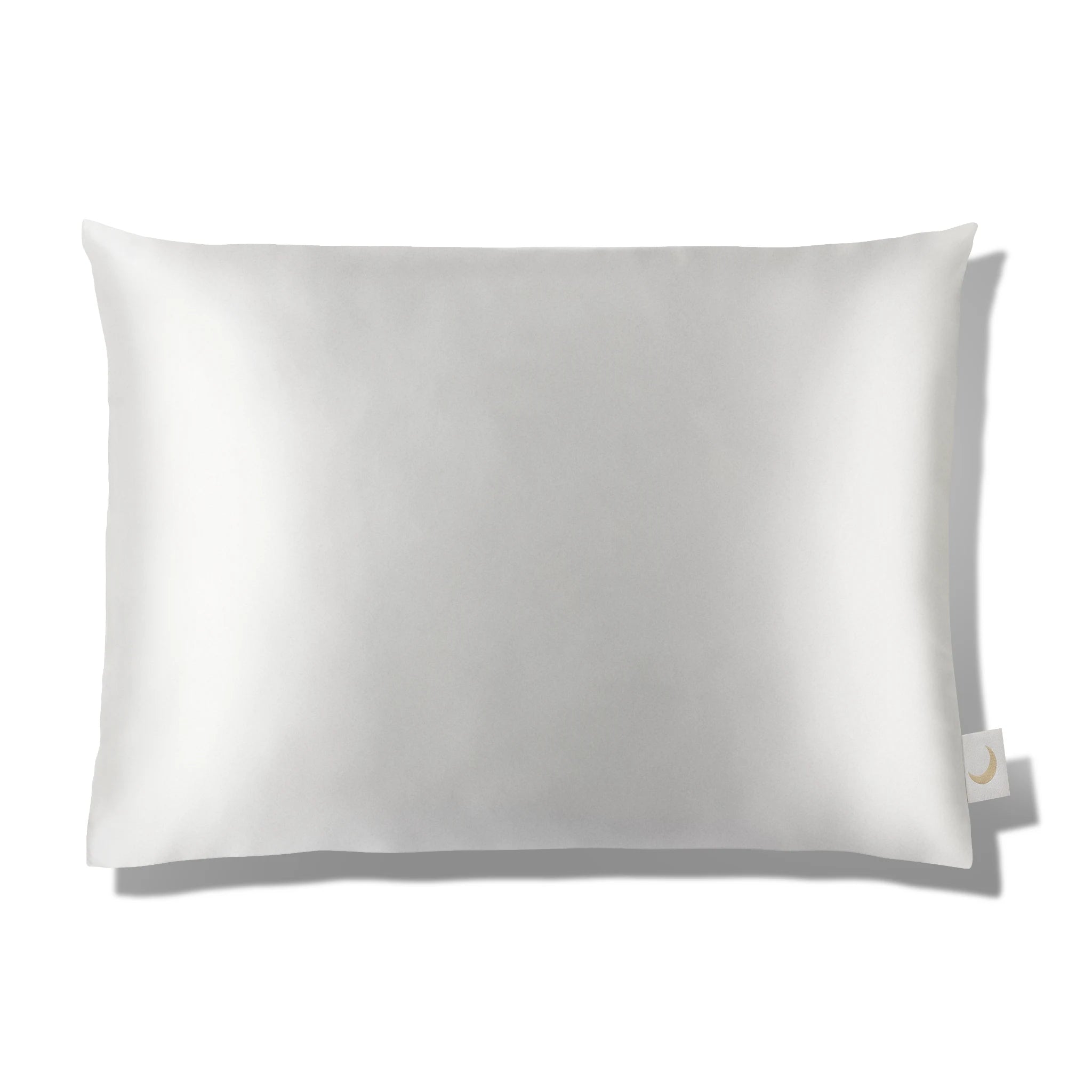




Dyeing for change: Greening our sleep for a better tomorrow
Looking for greener sleep in 2026? Choosing bedding and sleep products dyed with organic or botanical dyes can dramatically reduce your environmental footprint while protecting your health and the planet. Conventional textile dyeing is one of the biggest polluters on earth, but sustainable alternatives like certified organic dyes and 100% botanical dyes offer a real path to meaningful change. In this complete guide we break down the impacts of conventional dyes, compare the greener options, and show how Moonchild leads the way with innovative, low-impact dyeing for your silk pillowcases and linen bedding. Let us take a closer look at the environmental and health impacts and the alternatives we have as producers and consumers to make a real impact for a better future.
Content
Why Choose Organic or Botanical Dyes?
Conventional industrial textile dyeing is one of the biggest polluters of the environment, the health of garment workers and us consumers. By switching to certified organic and botanical dyes, producers and consumers alike can make a real impact for a better future.
Textile Dyes and Their Environmental Impact
The textile industry is thought to be responsible for up to 10% of global greenhouse gases, significant pollution, impacts on biodiversity and water consumption of 215 trillion liters per year.
Water: The global textile industry is considered the second largest polluter of clean water resources. Textile dyeing contributes up to 20% of industrial water pollution, with millions of tons of toxic wastewater being discharged annually.
Air: The release of volatile organic compounds and the high energy requirements of the dyeing process contribute to air pollution and greenhouse gas emissions.
Soil: Contaminated sludge and waste from dyeing processes lead to soil contamination and long-term environmental damage.
Overall, pollution from conventional textile dyes is a major environmental concern, driving demand for sustainable alternatives such as organic dyes, stricter regulations and improved wastewater treatment practices.
Chemical Hazards: Risks to Workers and Consumers
Worker health: Workers and nearby communities face serious health risks from exposure to toxic chemicals in dyes.
Consumer health: The use of harsh chemicals has been linked to a range of health problems, from headaches to chronic disease, cancer, reproductive harm and endocrine disruption.
Approximately 40,000 to 60,000 industrial chemicals are in commercial use worldwide. Only 33 of these are banned in textiles in the EU. Common chemicals used in the textile industry are considered carcinogenic, toxic, are known endocrine disruptors and can cause reproductive disorders. Studies have linked textiles to skin rashes, itchy eyes, sore throats, shortness of breath and other complaints. Twenty-nine percent of textile workers in one major study suffered from work-related contact dermatitis. Unlike food, textiles have no obligation to list substances used. Through long-term skin contact or inhalation, textile chemicals can enter our organism and be detected in blood, the lymphatic system and organs.
This poses a risk not only for the end consumer, but especially for textile workers along the supply chain—largely located in developing countries. As consumers in the West we benefit from low costs yet often overlook the ethical and environmental costs, creating a cognitive dissonance between our values and our purchasing habits.
Conventional vs Organic vs Botanical Dyes
In the textile industry, the choice of dyes has a significant impact on both the final product and the environment. Here’s how the three main types compare:
| Dye Type | Composition | Process & Impact | Environmental Footprint | Health & Safety | Best For |
|---|---|---|---|---|---|
| Conventional Fabric Dye | Synthetic, petrochemical-based (acid, disperse, reactive, direct dyes) | High water, energy and chemical use; toxic wastewater | High pollution, large carbon footprint, persistent chemicals | Contains toxic, carcinogenic and endocrine-disrupting substances |
Mass production (over 90% of market) |
| Certified Organic Dye | Safe, non-toxic ingredients meeting strict certification standards | Controlled water & energy use; biodegradable components | Reduced pollution, lower toxicity, better biodegradability | Free from harmful chemicals, PFAS, heavy metals and GMOs |
Premium sustainable textiles (5-10% of market) |
| Botanical Dye | 100% plant-based (leaves, roots, flowers, bark, fruits) | Low-impact natural mordants; often small-scale or patented processes | Minimal pollution, renewable resources, low energy | Highest safety – fully natural and non-toxic |
Eco-luxury & artisanal products (less than 5% of market) |
Certified Organic Dye
Moonchild relies on the strictest third-party certificate. These dyes ban toxic and harmful chemicals such as PFAS and are produced in Como, Italy, under Europe’s rigorous regulations.
Botanical Dye
Botanical dyes are the oldest form of dyeing and are derived entirely from plants. Moonchild uses a patented and unique process with the pectin of hemp to achieve the same color fastness as conventional dyes while remaining 100% natural.
Moonchild’s Sustainable Dyeing Solutions
Moonchild only works with the cleanest, most responsible dyeing methods. Our certified organic dyed silk pillowcases deliver beautiful, safe color with zero compromise on performance. For the purest natural option, discover our botanical dye silk pillowcases and linen bedding—plant-powered pigments fixed with innovative hemp pectin for lasting vibrancy and minimal environmental impact.
The choice between these types of dyes depends on factors such as environmental priorities, cost considerations and desired aesthetic qualities. While chemical dyes dominate industrial textile production, there is a growing shift toward more sustainable and organic dyeing practices. Although less common, botanical dyes offer significant environmental and health benefits that make them worthy of consideration. As consumers, we can influence the market by supporting eco-conscious choices and encouraging greater demand for sustainable practices.
How to Choose Greener Sleep Products
Look for these essential markers of truly sustainable dyeing:
- Third-party certification banning toxic chemicals and PFAS
- Transparent supply chain with traceable, ethical production (e.g. Italy or equivalent high-standard regions)
- Preference for botanical or certified organic dyes over conventional synthetics
- Brands that openly share their dyeing location and process details
- Products that combine beautiful color with proven color fastness and biodegradability
By supporting brands that prioritize responsible dyeing, you vote for cleaner water, healthier workers and a greener future every time you rest your head.
FAQ – Frequently Asked Questions
Why are conventional dyes so harmful?
They rely on petrochemicals and toxic chemicals that pollute water, air and soil and pose serious health risks to workers and consumers through skin contact and inhalation.
What’s the difference between organic and botanical dyes?
Certified organic dyes meet strict standards that limit harmful substances; botanical dyes are 100% plant-derived and offer the lowest possible environmental impact when paired with natural fixatives.
Do botanical dyes fade faster than synthetic ones?
Not with modern techniques. Moonchild’s patented hemp-pectin process delivers excellent color fastness comparable to conventional dyes while staying completely natural.
How can I be sure a product uses safe dyes?
Look for certification and brands that disclose their dyeing processes. Transparency is the best indicator of true sustainability.
Why does Moonchild focus on organic and botanical dyes for sleep products?
Because your pillowcase is in direct, long-term contact with your skin and hair every night. We choose the cleanest dyes to protect your health and the planet without sacrificing beauty or performance.
Sources
1. European Parliament: The impact of textile production and waste on the environment (infographics) https://www.europarl.europa.eu/topics/en/article/20201208STO93327/the-impact-of-textile-production-and-waste-on-the-environment-infographics
2. ICCA: How do we calculate the number of chemicals in use around the globe? https://icca-chem.org/news/how-do-we-calculate-the-number-of-chemicals-in-use-around-the-globe/
3. Sustain Fashion: Hazard limitation in textiles by EU rules https://sustainfashion.info/hazard-limitation-in-textiles-by-eu-rules/
4. Alden Wicker (2023). To Dye For: How Toxic Fashion Is Making Us Sick and How We Can Fight Back. G.P. Putnam's Sons.
5. McNeely E et al. (2018). Symptoms related to new flight attendant uniforms. BMC Public Health.
6. Chen YX et al. (2017). Prevalence and risk factors of contact dermatitis among clothing manufacturing employees in Beijing.
7. GOTS Annual Report 2023 & current standards.